
Why Cannabis Affects Everyone Differently Even If You Smoke the Same Strain
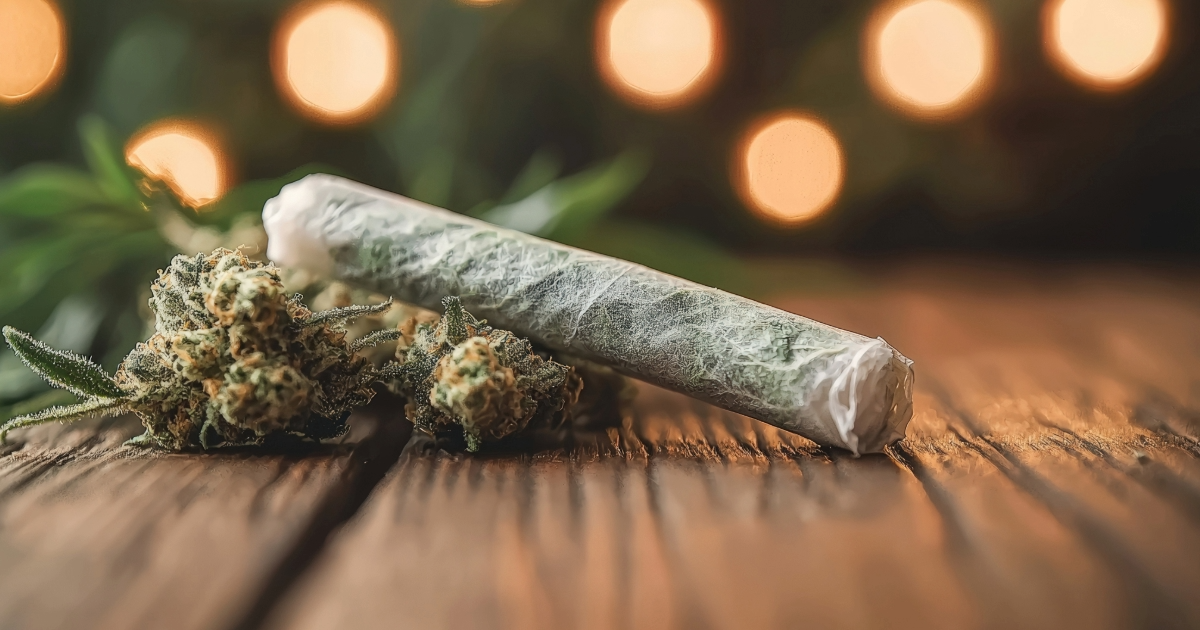
So you and a friend try the same strain. Same dose. Same time of day. And yet, you’re relaxed and chatty, while they’re halfway through a nap. What gives?
As the best dispensary in Niles Michigan, this is one of the most common conversations we have with customers, especially folks who are newer to cannabis or experimenting with different products. The truth is, weed isn’t one-size-fits-all. How it affects you depends on way more than just the strain name or THC number.
It Starts With Your Body
First, everyone’s body responds to cannabis differently on a biological level.
Factors like metabolism, weight, and how much cannabis you’ve used in the past all shape how quickly and intensely you’ll feel something. If your friend has a higher tolerance, they might barely feel a hit that sends you into full-on chill mode. If you metabolize cannabinoids faster, your high might come and go more quickly than someone else’s.
Even your endocannabinoid system, the network in your body that interacts with cannabis, can vary from person to person. Think of it like a lock-and-key system that’s slightly different in everyone, meaning the same key, like THC or CBD, won’t unlock the same effect every time.
The Role of Mood, Mindset, and Setting
Let’s talk headspace. If you’re feeling anxious, tired, or just had a stressful day, that can completely shift your cannabis experience, even with a strain you’ve used before.
This is why your mindset matters. The same strain that helps you relax on a Saturday night might feel overstimulating after a tough Monday. Your setting, whether you’re at home, out with friends, or somewhere new, can also influence whether cannabis helps you focus, sleep, laugh, or spiral.
At ReLeaf, we like to ask, “What are you hoping to feel?” Because that’s often a better guide than a product label alone.
Strains Don’t Always Do What You Think
You’ve probably heard phrases like “indica puts you in da couch” or “sativa makes you energized.” But those old-school rules don’t always hold up.
Cannabis effects have less to do with whether it’s labeled indica or sativa and more to do with its terpene profile. The mix of aromatic compounds like myrcene (relaxing), limonene (uplifting), or pinene (alertness). One sativa could leave you mellow and sleepy, while an indica could be surprisingly upbeat.
So when you and a friend feel totally different effects from the same product, you’re not imagining it. It’s likely that your bodies are reacting to the same chemical mix in totally different ways.
How to Shop Smarter (For Your Body)
This is where working with a knowledgeable budtender comes in. At ReLeaf, we train our team to help customers think beyond THC percentages or strain names.
We Focus On:
-
What you want to feel (calm, creative, pain relief, better sleep)
-
What you want to avoid (anxiety, grogginess, heavy body effects)
-
How your past experiences have gone
-
Your tolerance level and product preferences
One of the best ways to find your cannabis sweet spot is to treat it like an experiment. Start with low doses, especially if you’re trying something new, and pay attention to how different products make you feel.
It’s as simple as keeping notes on your phone or journal with the product name, dose, time of day, and what you felt. It can help you make smarter choices over time. If something felt perfect, you’ll know what to look for again. If it didn’t vibe, you’ll know why and how to tweak it next time.
Cannabis Is Personal, And That’s a Good Thing
The beauty of cannabis is that it isn’t just one thing. It’s a tool and when you understand how your body responds, it becomes a powerful one.
At ReLeaf Center in Niles, we’re here to help you take the guesswork out of that process. Whether you’re brand new to cannabis or just exploring different product types, we’ll guide you with zero judgment and real answers.
Because in the end, it doesn’t matter what your friend felt. It matters how you feel and how we can help you get there.
View More
 What Does "Full-Spectrum" Mean on a Cannabis Product?
 Why Does Cannabis Make Some People Anxious?
 Is It Okay to Use Cannabis Every Night to Sleep?