
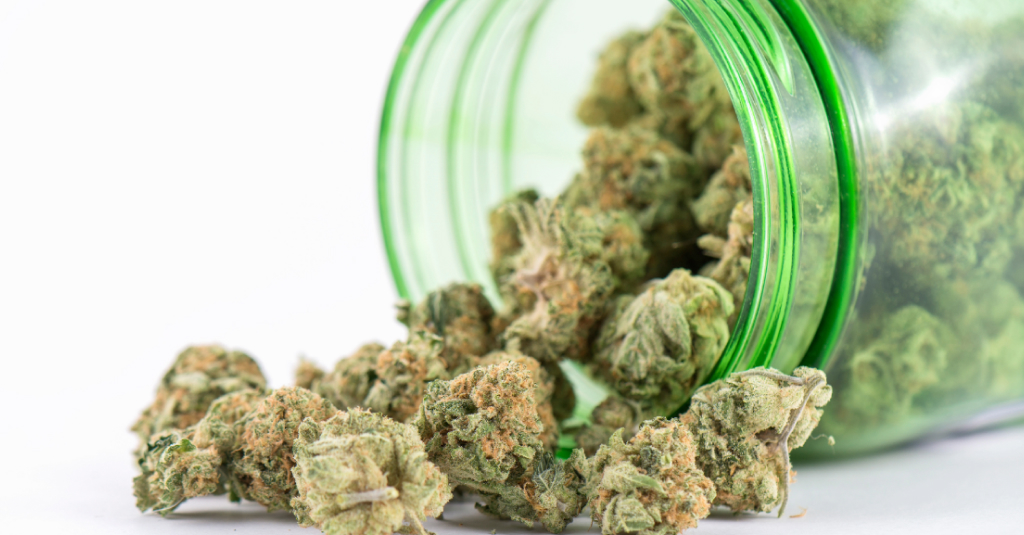
If you ever walked into a dispensary and said, “I want something relaxing, so give me an indica,” you’re not alone. For decades, the cannabis industry has leaned on the indica-sativa divide as an easy way to help customers to make choices. Indicas are marketed as calming, body-heavy strains. Sativas? Uplifting and cerebral. But here’s the reality: that divide doesn’t actually tell you much about how it’ll make you feel.
At The ReLeaf Centers, we’re all about education. This is one of the biggest misconceptions we help customers move past. While those labels might have worked as a starting point ten years ago, cannabis science has evolved. Today, we understand that how a strain affects you has more to do with its terpene makeup than its labels. That means two sativas can give completely different highs, and two indicas might have opposite effects.
Genetics ≠ Effects
Originally, the terms indica and sativa were used to classify cannabis plants based on how they grew in different climates. Sativas, which originated in warmer regions, tend to be tall with narrow leaves and longer flowering times. Indicas, adapted to cooler environments, are shorter and stockier with wider leaves. These differences matter a lot for cultivators, but for you, the person consuming it, they don’t explain much about how you’ll feel after a few hits.
What does, then? Cannabinoid content, like THC, CBD and CBN, and terpene profiles, like myrcene, limonene, and pinene. Cannabinoids interact with your body’s endocannabinoid system, affecting everything from pain perception to mood and memory. Terpenes, which give cannabis its unique scent and flavor, also influence how a strain feels. Next time you find a strain you love, it's worth asking why you loved it. Chances are it's because of its terpene profile, not its name or category.
So… How Should You Shop?
We get it. Navigating cannabis can be overwhelming.
That’s why we encourage effects-based shopping, which is all about starting with how you want to feel and working backwards. We’ll help you find strains with calming terpenes like myrcene or linalool, which are often found in lavender and other soothing herbs. If you want something for focus, limonene and pinene might be more your speed.
At ReLeaf, we train our budtenders to guide you beyond the packaging and marketing. We’ll ask you about your goals, your tolerance and your past experiences to find the best product fit. For example, if high-THC strains have made you anxious in the past, we might suggest something with a balanced THC:CBD ratio or a strain that leans into less-stimulating terpenes. It’s not about indica or sativa anymore; it’s about personalization. And we’ve got the tools and the product range to help you figure it out
Why Terpenes Matter More Than Labels
You’ve probably smelled the difference between a citrusy strain and one that’s skunky or earthy. That’s terpenes at work. These aromatic compounds don’t just make your flower smell good; they’re biologically active. Being biologically active, they play a role in shaping how cannabis affects your body and mind.
Common Terpenes:
-
Myrcene
-
Relaxing and sedative, commonly found in indica strains
-
-
Limonene
-
Mood-lifting, citrus-scented, often found in energizing hybrids
-
-
Pinene
-
Alertness and memory retention are also found in pine needles
-
-
Linalool
-
Calming and floral, great of anxiety and stress
-
Some terpenes may enhance THC’s effects, while others might balance or reduce them. Think of them as the co-pilots in your cannabis experience.
Skip the Labels, Follow the Science
It’s time to move past the indica vs. sativa debate. As cannabis education continues to grow, we’re seeing more people want real, personalized information, not just stereotypes. If you’ve ever been disappointed by a strain that didn’t do what you expected, the answer isn’t that the product was bad. It’s that you weren’t given the full picture.
Here at ReLeaf Center, we believe in informed choice, personalized support and a shopping experience built around you. There’s a reason why the community sees us as the best dispensary in Niles, Michigan. Whether you’re a medical patient, a weekend explorer or somewhere in between, we’re here to demystify the process. Let’s talk about your needs, your goals and your body’s response, because once you understand that, you’ll never shop the same way again.
View More
 How Long Does Being Too High Last, and What Helps in the Meantime?
 Can Cannabis Help With Spring Allergies?
 What Our Growers Wish You Knew About the Flower on Our Shelves