Walking into a dispensary for the first time can feel like showing up for a chemistry lecture when you thought you were just going to the store. Between the glowing menus and the jars of colorful flower, there is a lot of specialized language flying around.
At The ReLeaf Centers, we believe that the more you know, the better your experience will be. We want you to feel like a pro when you visit. Whether you're here to manage a bit of morning stiffness or just relax after a long week, we're here to translate the "cannabis-speak" into plain English.
Flower and the Anatomy of the Plant
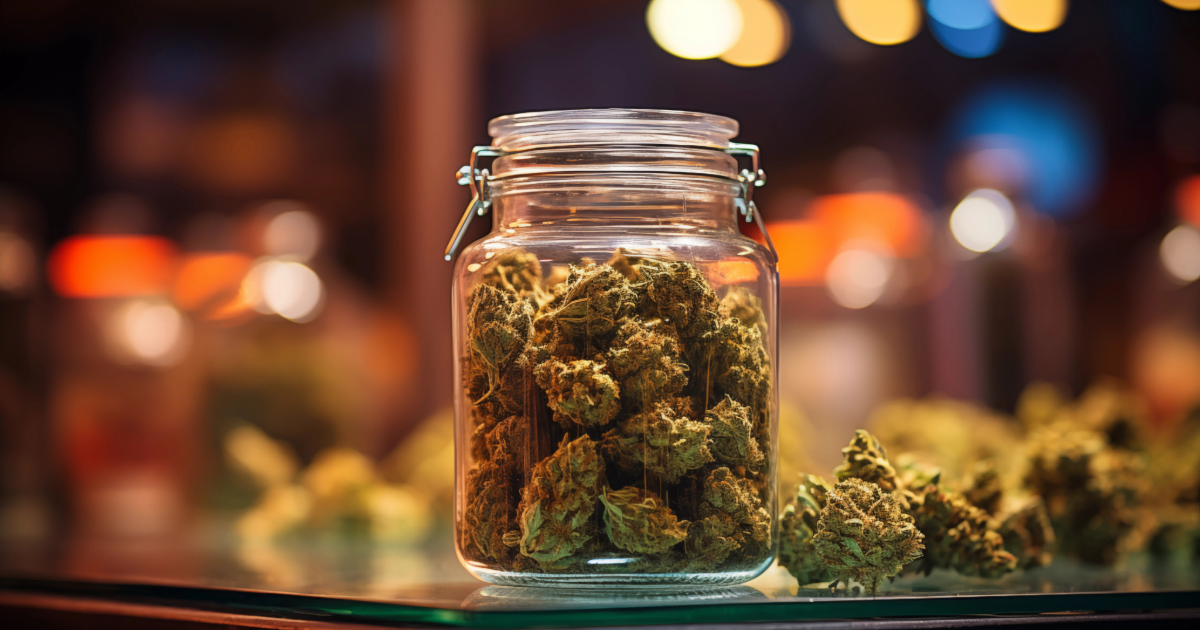
"Flower" is the dried, cured part of the plant that you smoke or vaporize. It's the traditional method, but looking beyond the strain name can help you choose the best-quality bud for your needs.
Trichomes are often the most visible indicator of quality. If you look closely at a top-tier flower, you will see a dusting of sugar or tiny crystals. These resin glands are the "engine room" of the plant, housing the cannabinoids and terpenes. Generally, the frostier the bud looks, the more potent it is.
Terpenes are just as important. Think of these as the essential oils. They determine whether a strain smells like pine, lemon, or lavender, and they also influence the effects. If one strain makes you feel focused while another makes you feel sleepy, thank the terpenes. Don't just shop for high THC. It's better to look for a strain with a rich terpene profile, as it often provides a more well-rounded experience.
Understanding the Effects: THC vs. CBD
These are the two most famous cannabinoids found in the plant.
THC is the primary psychoactive component responsible for the "high." In a wellness context, it's often used to stimulate appetite, promote deep relaxation, or distract the brain from persistent physical discomfort.
CBD, on the other hand, is non-psychoactive. It won't make you feel "intoxicated," but it's powerful for calming the mind and soothing the body, and acts like a quiet support system.
For beginners, we often recommend a 1:1 ratio. This means the product has equal parts THC and CBD. The CBD acts as a "buffer" for the THC, smoothing out the edges of the high for a balanced, manageable experience.
Edibles, Tinctures, and Patience
Not everyone wants to smoke, and we have plenty of options that don't involve a lighter. However, your body processes "ingestibles" differently.
Edibles must pass through your digestive system, so they can take anywhere from 45 minutes to two hours to take effect. The golden rule is: start low and go slow. Start with a small dose (2.5mg or 5mg) and wait at least two hours before having more. The goal is to identify the minimum amount that provides relief, not to overwhelm yourself.
Tinctures are liquid extracts dropped under the tongue. Because they absorb through the mouth's tissues, they work much faster, making them a great middle ground between smoking and edibles.
Concentrates: Budder, Sugar, and Crumble?
In the extract section, you might see terms that sound like baking ingredients: Budder, Sugar, and Crumble. These highly potent extracts separate the oils from the plant material.
For beginners, these can be intense, so start small. The main difference between the names is simply the texture and how easy they are to handle:
-
Budder: Has a creamy, butter-like consistency. It's popular because it is easy to scoop.
-
Crumble: A drier version that falls apart easily, like feta cheese. It's easy to sprinkle on top of a bowl of flower for an extra "kick."
-
Sugar: Looks like wet sugar or honey with crystals. It is often very flavorful because it holds onto those tasty terpenes.
Topicals: Relief Without the High
Topicals are creams, lotions, or balms infused with cannabis. This is a favorite "entry point" for many of our older clients dealing with joint or muscle issues.
Because you rub them directly onto the skin, topicals generally do not produce a "head high." The cannabinoids stay localized, interacting with receptors in your skin and muscles. If you have a sore knee, you can apply a balm to experience physical benefits without mental cloudiness. It's a game-changer for staying active.
Finding Your Fit at ReLeaf
We know this is a lot to digest, but you don't need to be an expert to walk through our doors. Think of our budtenders as your personal consultants. We won't just point at a jar. Instead, we'll ask how you want to feel. Are you looking for better sleep? A more vibrant walk in the park? Relief so you can get back to gardening?
We're proud to be the best dispensary in Niles, Michigan, because of the relationships we build. Next time you're in the neighborhood, stop by.
View More
 How Can You Tell If Your Cannabis Has Gone Bad?
Cannabis degrades through two distinct processes: potency loss and contamination. Old cannabis that has aged will be weaker and taste flat, but it's generally safe. Cannabis with mold on it is a different story and poses a real respiratory risk. Knowing which problem you're looking at determines whether you should use what you have or toss it.
What Degraded Cannabis Means and What It Doesn't
People often treat "old" and "bad" as the same thing when talking about cannabis. They aren't.
When cannabis sits around, THC gradually converts into CBN, a cannabinoid that leans sedative rather than psyc...
 What's the Difference Between Delta-8, Delta-9, and Delta-10 THC?
Delta-8, Delta-9, and Delta-10 THC are all forms of the same molecule, separated by a small structural difference that changes how potent each one is, where it comes from, and whether it's sold at a licensed dispensary or a gas station.
How Delta-8, Delta-9, and Delta-10 Differ at the Molecular Level
All three are THC. The only structural difference is the position of a double bond on the molecule's carbon chain: at the 8th, 9th, or 10th carbon. That shift changes how strongly each variant binds to your body's cannabinoid receptors, which is why the effects feel different.
Delta-9 THC is the ...
 What Does "Full-Spectrum" Mean on a Cannabis Product?