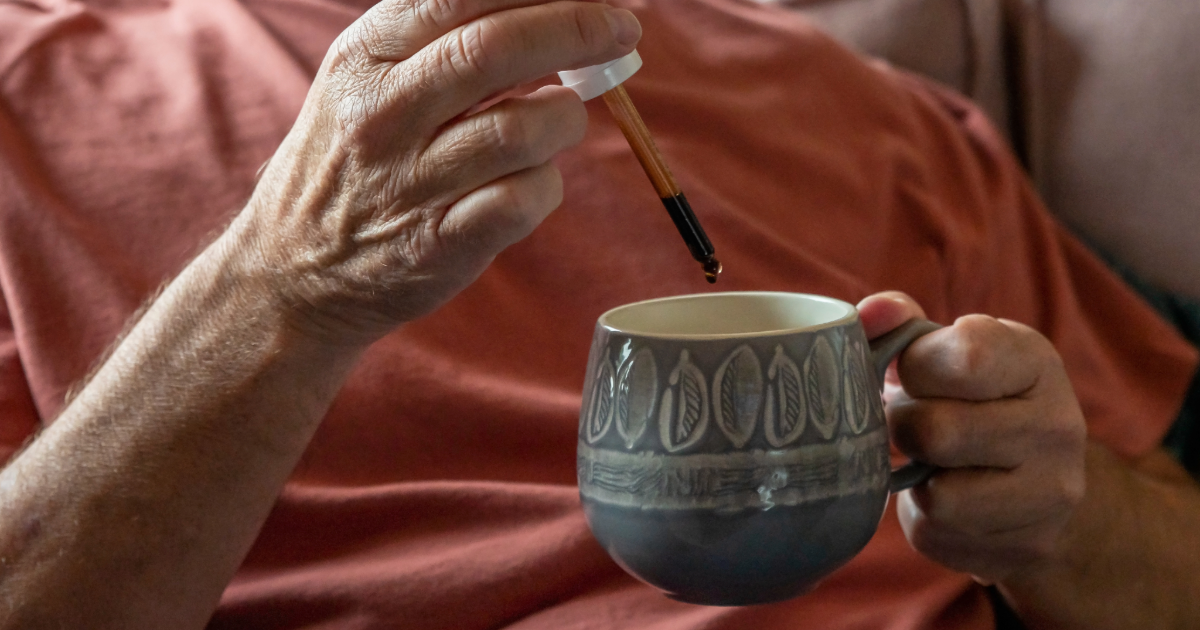
For a lot of people, cannabis doesn’t have to be all or nothing. You don’t need to get completely zoned out to feel the benefits. Microdosing, taking very small, controlled amounts of THC, is becoming more popular than ever with people who want to enjoy the experience of cannabis without being overwhelmed by it.
As the best dispensary in Niles MI, we talk to customers every day who are curious about microdosing. Some are new to cannabis and want to ease in slowly. Others are longtime users looking for a lighter touch, maybe to help with anxiety, focus, or simply to stay grounded throughout the day. Whatever the reason, microdosing offers a flexible, reliable way to make cannabis part of your routine without overdoing it.
How Microdosing Works
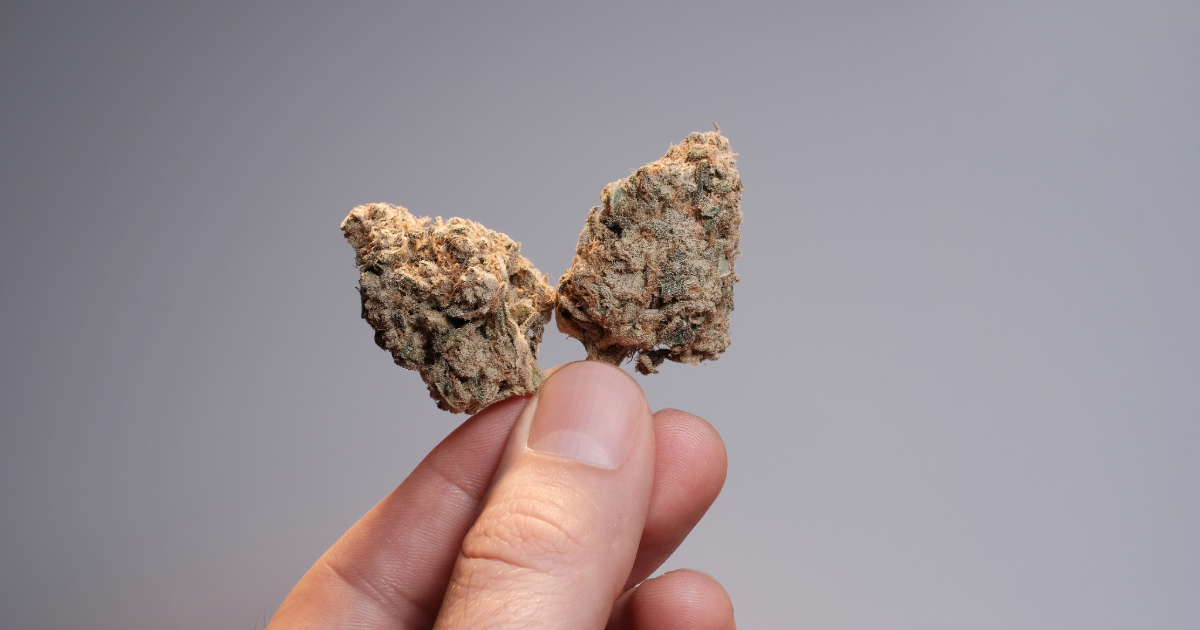
Microdosing typically involves taking between 1 and 5 milligrams of THC per dose. That’s a fraction of what’s found in most traditional edibles or full-strength products. At this low level, many users report feeling gently elevated, a little more relaxed, and a little less stressed, without feeling “high” in the traditional sense.
The idea is to support your mood or body without altering your state of mind. You stay clear-headed and functional, but with the benefits of subtle relief. For people managing chronic pain, anxiety, creative blocks, or even just social discomfort, microdosing can offer support that feels natural and sustainable.
Why Start Low?
If you’ve ever had an edible that hit harder than expected, you already know the value of starting small. With microdosing, the goal is to avoid surprise effects altogether. Because the dose is so low, it’s easier to predict how you’ll feel and easier to adjust as needed. You can always take more, but you can’t untake a too-high dose.
We usually recommend starting at 2.5mg or less, especially if you’re new or sensitive to THC. Wait at least 60-90 minutes before deciding to increase your dose. Everyone’s body processes cannabis differently, and the goal with microdosing is slow, steady benefits, not instant gratification.
When and Why to Microdose
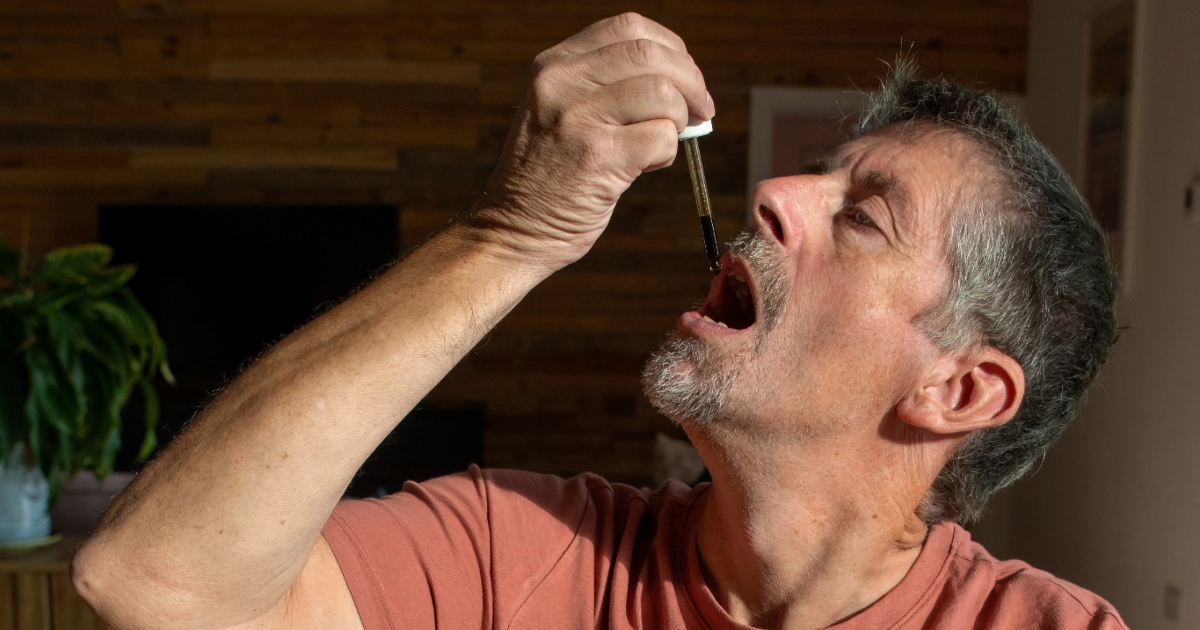
Microdosing isn’t just for beginners; it’s for anyone looking to use cannabis in a more mindful, measured way. It’s especially useful for:
-
Daytime use when you need to stay productive
-
Social situations where you want to relax but stay sharp
-
Sleep support without next-day grogginess
-
Mood balance or emotional regulation
-
Managing anxiety or chronic stress throughout the day
Many of our regulars tell us microdosing helped them stay consistent, avoid unwanted effects, and even reduce their overall cannabis use while still getting the support they need.
Is Microdosing Right for You?
If you’ve ever said, “I want to feel better, not baked,” microdosing might be your perfect fit. It’s not about less enjoyment; it’s about more control. You don’t have to white-knuckle your way through an experience or miss out on the benefits of cannabis just because strong doses don’t work for you.
At The ReLeaf Center in Niles, we make it easy to explore low-dose options, ask questions without judgment, and find a product that feels right for you. We can help you establish a suitable routine, whether you're a cautious newcomer or an experienced user seeking a milder experience.
View More
 How Can You Tell If Your Cannabis Has Gone Bad?
Cannabis degrades through two distinct processes: potency loss and contamination. Old cannabis that has aged will be weaker and taste flat, but it's generally safe. Cannabis with mold on it is a different story and poses a real respiratory risk. Knowing which problem you're looking at determines whether you should use what you have or toss it.
What Degraded Cannabis Means and What It Doesn't
People often treat "old" and "bad" as the same thing when talking about cannabis. They aren't.
When cannabis sits around, THC gradually converts into CBN, a cannabinoid that leans sedative rather than psyc...
 What's the Difference Between Delta-8, Delta-9, and Delta-10 THC?
Delta-8, Delta-9, and Delta-10 THC are all forms of the same molecule, separated by a small structural difference that changes how potent each one is, where it comes from, and whether it's sold at a licensed dispensary or a gas station.
How Delta-8, Delta-9, and Delta-10 Differ at the Molecular Level
All three are THC. The only structural difference is the position of a double bond on the molecule's carbon chain: at the 8th, 9th, or 10th carbon. That shift changes how strongly each variant binds to your body's cannabinoid receptors, which is why the effects feel different.
Delta-9 THC is the ...
 What Does "Full-Spectrum" Mean on a Cannabis Product?