
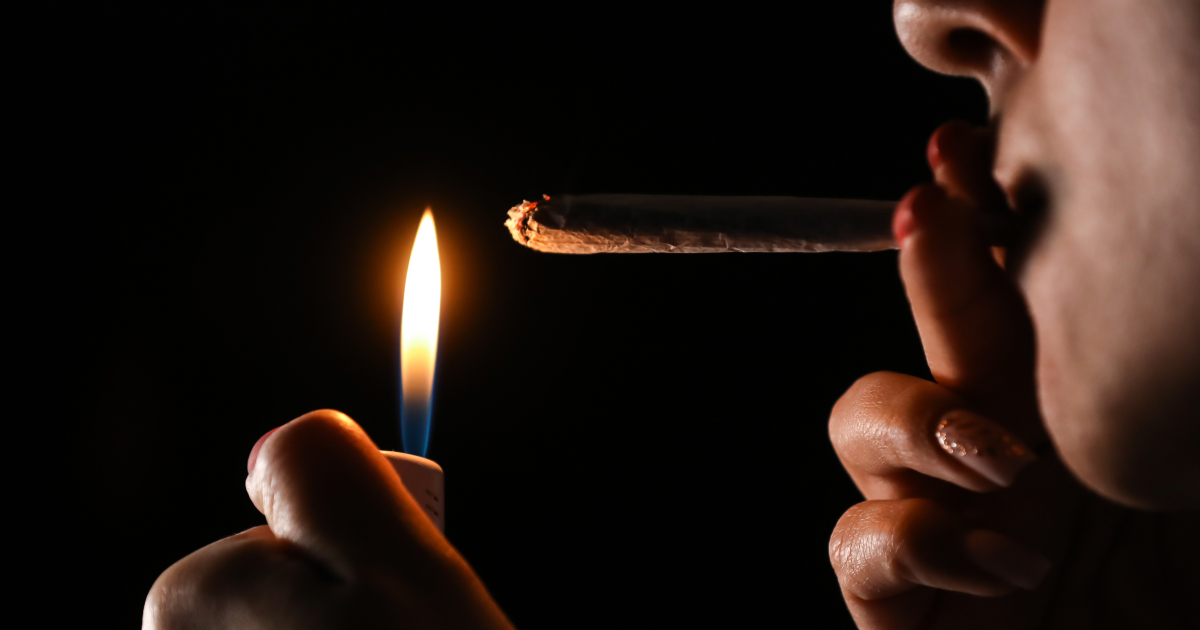
Being too high is uncomfortable, but it's almost never dangerous. It happens to first-timers and seasoned consumers alike. The two questions most people ask in the moment are the same two questions this post answers: how long does it last, and what helps right now.
How Long Does Being Too High Last?
Duration depends on how the cannabis was consumed. Inhaled THC peaks in the bloodstream within 10 to 30 minutes, and most acute effects fade within 2 to 4 hours. Edibles work on a different timeline because THC has to pass through the digestive system and the liver before reaching the bloodstream, which is why oral doses peak 2 to 4 hours after ingestion and total effects can last 6 to 8 hours. Tinctures sit in between, with sublingual absorption producing effects within 15 to 45 minutes that last 2 to 6 hours.
This slow onset is why edibles are responsible for the bulk of these situations. Someone takes a 5mg gummy, feels nothing after 45 minutes, takes another, and the full 10mg lands all at once an hour later. Body weight, metabolism, recent food intake, and tolerance also shift the numbers, so treat any timeline as a range rather than a guarantee. The most intense window is usually the first two hours past the peak. Once that passes, the experience tends to wind down on its own.
Why Cannabis Came on Stronger Than Expected
Knowing what tipped you over the edge is half the battle for next time. The most common culprits we hear from customers:
-
Edible miscalculation. Taking a second dose before the first kicked in is the single most reported reason for being too high. Edibles are simply not fast-acting.
-
Lower tolerance. A two-week break can drop a regular consumer's tolerance significantly. The dose that felt fine last month may feel intense now.
-
Higher-potency product. Concentrates, dabs, and high-THC flower deliver more THC per dose than most people are used to.
-
Empty stomach. Edibles consumed without food tend to peak faster and feel more intense.
-
Different terpene profile. Two products with identical THC percentages can produce noticeably different experiences depending on the terpenes alongside the THC.
What Helps Right Now
The first move is finding a calm, safe place to sit or lie down. Reducing visual and auditory stimulation lowers the intensity for most people. From there, drinking water and eating something starchy helps stabilize the physical side of the experience. A cool washcloth on the back of the neck can take some of the edge off the racing-heart feeling.
CBD is often the most useful tool if it's nearby. Many of our regulars keep a CBD-only tincture on hand for exactly this reason. Balanced 1:1 and 2:1 CBD-to-THC products are popular for the same purpose: the CBD takes some of the edge off the THC without canceling the experience entirely.
Chewing or smelling black peppercorns is an old folk remedy that has stuck around because it works for some people. The terpene that gives black pepper its bite is also found in cannabis itself, which is the connection. If you have peppercorns in the kitchen, it's worth a try.
Distraction matters. A familiar show, music you know well, or a slow walk in a quiet space gives the brain something to focus on besides how it feels. If sleep comes naturally, let it happen. Most people wake up feeling much better.
What Doesn't Help
A few things to skip:
-
More cannabis. The instinct to push through with another puff or another edible is what got most people into this situation in the first place.
-
Alcohol. It increases THC absorption and intensifies impairment.
-
Hot showers. Heat raises heart rate, which is the opposite of what most people want when they feel anxious.
-
Excessive caffeine. It can sharpen the racing-heart sensation rather than calm it.
When to Actually Be Concerned
Cannabis-induced anxiety, paranoia, and the spinning sensation people sometimes describe are uncomfortable but not medically dangerous. A peer-reviewed review on cannabis-related acute harm confirms cannabis is not associated with overdose mortality from THC itself, primarily because cannabinoid receptors are largely absent from the brainstem regions that control breathing.
That said, situations that do warrant medical attention:
-
Severe, repeated vomiting (potentially cannabinoid hyperemesis syndrome)
-
Chest pain, fainting, or irregular heartbeat
-
Suspected accidental ingestion by a child or pet
-
A pre-existing heart condition combined with intense symptoms
For accidental ingestion, call Poison Control at 1-800-222-1222. For chest pain or other cardiovascular symptoms, call 911.
Avoiding It Next Time
The single best move is to start lower than you think you need to. With edibles, that means a 1 to 5mg starting dose and waiting two full hours before considering a second. Keep a CBD product on hand as a personal safety net, and buy from licensed retailers with lab-tested products so you know exactly what's in what you're consuming. When something on the shelf catches your eye, ask the budtender about terpene profile and recommended starting doses for unfamiliar products. The team at our Niles, Michigan dispensary has this conversation often, and it's a good one to have before checkout rather than after.
FAQ
How long does being too high last from an edible?
Most edibles peak 2 to 4 hours after ingestion and total effects fade within 6 to 8 hours. The most intense window is usually the first two hours past the peak.
How long does being too high last from smoking or vaping?
Inhaled cannabis peaks within 10 to 30 minutes, and most acute effects fade within 2 to 4 hours.
Can you overdose on cannabis?
Cannabis is not associated with fatal overdose from THC itself, because cannabinoid receptors are largely absent from the brainstem. Acute exposure can still cause severe vomiting, cardiovascular events, or accidental pediatric poisoning, all of which warrant medical attention.
Does CBD help when you're too high?
Many people find that CBD takes some of the edge off the THC. Balanced 1:1 or 2:1 CBD-to-THC products and CBD-only tinctures are both popular options to keep on hand for moments like this.
Do black peppercorns actually work?
It's an old folk remedy with some staying power. The terpene that gives black pepper its bite is also found in cannabis, and a number of regulars find that chewing or smelling peppercorns helps with the racing-heart feeling. The evidence is mostly anecdotal but the move is harmless.
Should I sleep it off?
If sleep comes naturally, let it happen. Most people wake up clear. Forcing sleep when racing thoughts are present is harder than it sounds.
When should I go to the ER from being too high?
Severe and repeated vomiting, chest pain, fainting, or an irregular heartbeat. Suspected accidental ingestion by a child or pet should be reported to Poison Control at 1-800-222-1222 immediately.
View More
 Can Cannabis Help With Spring Allergies?
 What Our Growers Wish You Knew About the Flower on Our Shelves
 How to Buy Cannabis for Someone Else Without Totally Guessing