We know that our clients, new and returning, aren't walking into a dispensary always looking for a quick buzz. Instead, many of you are just looking for a way to get through the day without your lower back screaming. At ReLeaf, our seasoned budtenders understand that you didn't come to cannabis because you wanted to get high. You came because you were tired of hurting. We see the fatigue of the stiffness greeting you every morning, the frustration of calculating how many errands you can run before needing to lie down, and the exhaustion from the side effects of traditional options in the medicine cabinet.
If you're living with persistent discomfort, you know exactly what we're talking about. Pain has a way of shrinking your world. It turns "I want to go to the park" into "I can't handle the walking." It changes "Let's grab dinner" into "The chairs there are too uncomfortable."
So, let's strip away the stigma and the confusion and talk about how this plant might help you reclaim a bit of your life.
How Does It Actually Work?
We know that when people first start, they're often skeptical. How could a plant help with something as complex as daily discomfort? It turns out you don't need a biology degree to understand it, but knowing a little about the science makes it less scary.
Your body actually produces molecules that are arguably similar to those found in the cannabis plant. These interact with a body-wide network called the endocannabinoid system (ECS). Think of the ECS as your body's master regulator. It helps keep things balanced, including your sleep, mood, appetite, and yes, how you perceive physical sensations.
When you use cannabis, you aren't just "drugging" yourself. You're essentially introducing plant-based compounds (cannabinoids) to help that system do its job a little better. We believe it isn't about "masking" the issue or feeling numb; it's about turning the volume knob down. The discomfort might still be there, but it's no longer screaming at a level 10. It becomes background noise that you can ignore while you get on with your day.
CBD vs. THC: It's Not Just About the High
If you're new to this, the alphabet soup on the labels can be intimidating. We've seen many customers staring at a menu for the first time, with no clue what the difference was. You really only need to know two key players right now:
-
THC: This is the compound everyone knows—the one that provides the "high" or euphoria. But here's the thing: beyond the buzz, THC is a powerful distracter. It has properties that can shift how your brain processes sensory signals. We find THC helps with the mental toll of chronic discomfort—the frustration and the stress that comes with hurting all the time.
-
CBD: Think of CBD as the grounded, responsible sibling. It is non-intoxicating (it won't get you high) and is widely used to help promote relaxation and physical ease. It's the physical relief to THC's mental relief.
In our experience, using them together is where the magic happens. We call this the "entourage effect." When you use a product with a 1:1 ratio (equal parts THC and CBD), you get the soothing benefits of CBD mixed with the distracting power of THC, but without an overwhelming psychoactive experience. It's balanced, manageable, and effective.
Choosing the Right Method for You
We know many people hesitate because they think, "I don't want to smoke." And honestly? That is perfectly fine. We rarely recommend smoking as the first option for pain relief. There are so many other ways to find relief that are discreet and lung-friendly. Here are the methods we usually recommend to beginners:
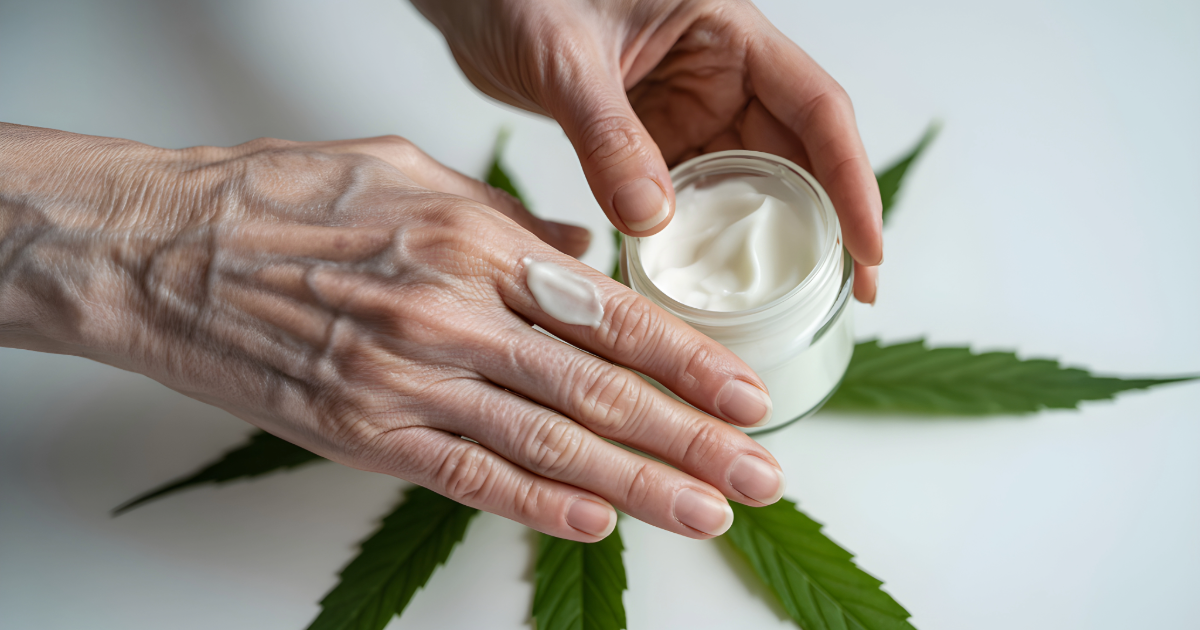
Topicals
We usually tell people to start here if their discomfort is localized, like a sore knee or stiff hands. You rub it right on the spot.
-
Our Take: We often recommend keeping a high-CBD balm in your gym bag or nightstand. The best part is that most topicals do not cross into the bloodstream. This means you get the therapeutic benefits right where you hurt, but you won't feel "high" in your head at all.
Edibles
Edibles are our go-to recommendation for long-term management, especially at night.
-
Our Take: Because your body processes edibles through the liver, the effects last much longer—sometimes 6 to 8 hours. This can be a game-changer for rest. If discomfort wakes you in the middle of the night, an edible taken before bed can help you sleep through the night.
Tinctures
These are liquid extracts that come with a dropper. You place a drop under your tongue.
-
Our Take: This is the most versatile option. It works faster than a gummy (usually within 15–30 minutes) and lets you control your dose precisely.
The Best Dispensary is Here to Help
Navigating the world of cannabis can feel overwhelming, but you don't have to do it alone. That's what we're here for.
When you walk into a dispensary, you should feel heard, not rushed. At ReLeaf, we pride ourselves on being the best dispensary in Niles, Michigan, because we treat you like a person, not a transaction. Shop our entire menu today!
View More
 Can Cannabis Help With Spring Allergies?
 Microdosing: Enjoy Subtle Effects Without Overdoing It
 Why 1:1 and 2:1 Cannabis Products Are Gaining Respect