Step into any dispensary in Niles Michigan, and you’re bound to hear a swirl of cannabis terms, some familiar, others not so much. Between trichomes, terpenes, hybrids, and cannabinoids, it’s easy to feel like you missed a class somewhere. At ReLeaf Center in Niles, we know that learning the language shouldn’t be a barrier to a good experience.
This glossary isn’t for scientists or cannabis snobs. It’s for everyday people who want to feel informed when they shop. The ReLeaf team put this together based on real questions from customers, people who want to know what they’re buying, what it might do, and how to talk about it without sounding like they’re faking it.
What You’re Actually Buying: Strains, Types, and Labels
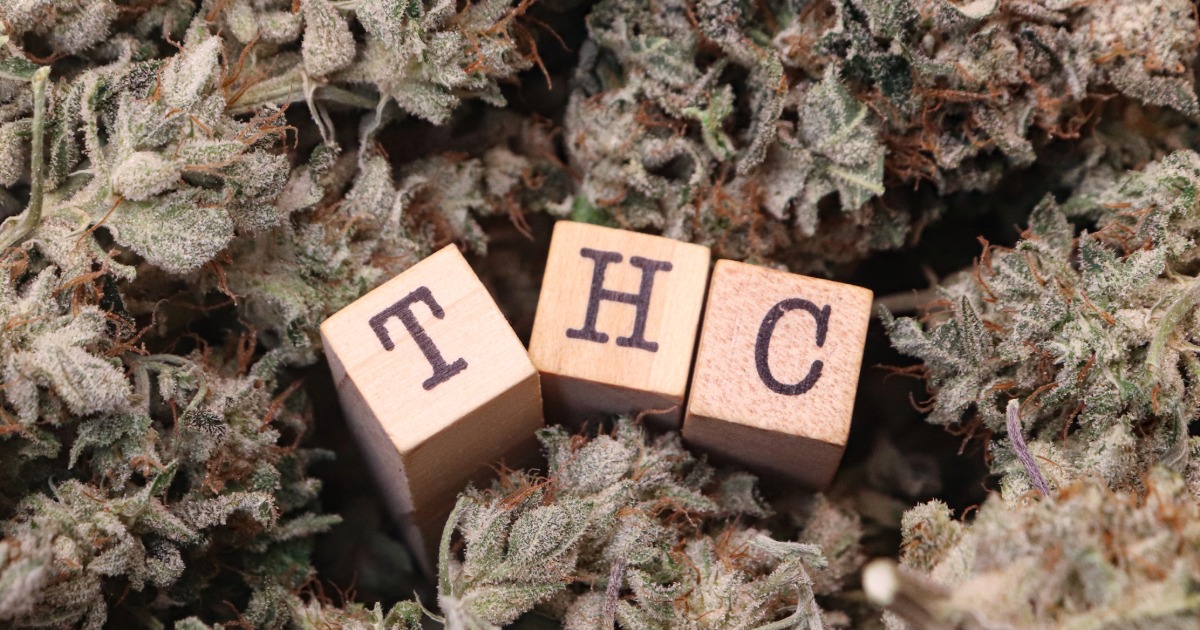
One of the first things you’ll notice on cannabis product labels is the classification: sativa, indica, or hybrid. You might hear that sativas are energizing and indicas are relaxing, but at ReLeaf, we like to be more precise. These categories are broad and don’t always reflect how a strain will make you feel. That’s why we also talk about terpenes, aromatic compounds that help define the vibe and effects of a product, and cannabinoids like THC and CBD, which play a role in how your body responds.
You’ll also hear the word “strain,” which just means the variety of the plant. Think of it like different breeds of dogs: same species, different personalities. Each strain has its own mix of effects, flavors, and potency. And when you’re reading a label, “percent THC” is a number that reflects the psychoactive strength, but don’t let that number make the decision for you. At ReLeaf, we help you find the right strain, not just the strongest one.
Product Types You’ll See at ReLeaf
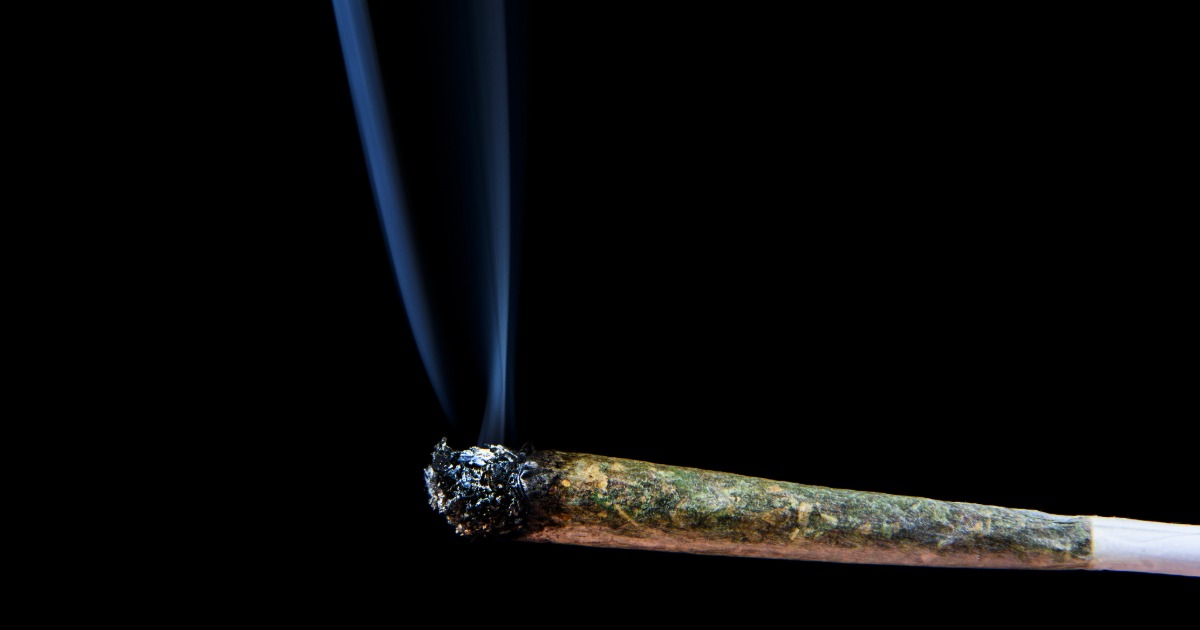
Shopping for cannabis in Niles means navigating a wide range of products. So what’s what? Flower is the dried bud of the plant; it’s what most people think of when they picture weed. You grind it, roll it, and smoke it. Pre-rolls are ready-made joints, and vapes contain oil that’s vaporized instead of burned. Concentrates are stronger, more refined versions of cannabis, often used in dabbing. If you’re shopping for edibles, that covers everything from gummies to chocolates to drinks infused with cannabinoids.
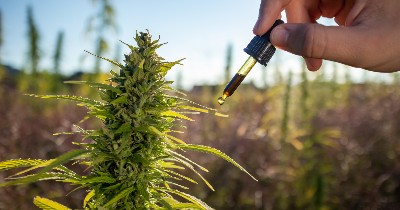
Tinctures are liquid drops that go under your tongue for fast-acting effects. Salves and topicals don’t get you high; they’re for localized pain relief and skincare. And then there’s RSO, Rick Simpson Oil, a full-spectrum, potent concentrate often used medicinally. If any of this sounds overwhelming, that’s exactly why ReLeaf exists: to help you make sense of it all.
The Words That Matter Most: From Terpenes to Microdosing
A few more terms that come up at ReLeaf all the time: terpenes are the natural compounds in cannabis (and other plants) that affect aroma, flavor, and effects. Some help you relax, others give you energy, and some are just plain tasty. CBG and CBN are other cannabinoids (besides THC and CBD) that support things like mood, sleep, or focus without getting you high while also reducing inflammation. When we talk about microdosing, we mean taking very small amounts of THC to get mild, manageable effects, perfect for people who want a little lift without feeling overwhelmed.
All of these terms might sound complicated, but they’re not as complicated as they seem when you talk to the knowledgeable budtenders at Releaf. That’s what they're there for. We believe cannabis should be accessible, approachable, and empowering. When you walk into our dispensary in Niles, Michigan, our budtenders meet you where you are, no matter how much or how little you know.
View More
 How Can You Tell If Your Cannabis Has Gone Bad?
Cannabis degrades through two distinct processes: potency loss and contamination. Old cannabis that has aged will be weaker and taste flat, but it's generally safe. Cannabis with mold on it is a different story and poses a real respiratory risk. Knowing which problem you're looking at determines whether you should use what you have or toss it.
What Degraded Cannabis Means and What It Doesn't
People often treat "old" and "bad" as the same thing when talking about cannabis. They aren't.
When cannabis sits around, THC gradually converts into CBN, a cannabinoid that leans sedative rather than psyc...
 What's the Difference Between Delta-8, Delta-9, and Delta-10 THC?
Delta-8, Delta-9, and Delta-10 THC are all forms of the same molecule, separated by a small structural difference that changes how potent each one is, where it comes from, and whether it's sold at a licensed dispensary or a gas station.
How Delta-8, Delta-9, and Delta-10 Differ at the Molecular Level
All three are THC. The only structural difference is the position of a double bond on the molecule's carbon chain: at the 8th, 9th, or 10th carbon. That shift changes how strongly each variant binds to your body's cannabinoid receptors, which is why the effects feel different.
Delta-9 THC is the ...
 What Does "Full-Spectrum" Mean on a Cannabis Product?